01.
Discovery
1–3 months
Walk the section, interview operators and planners, audit what you already collect, and write a baseline you can measure against.
Mining
Mine data platform, real-time KPIs, predictive maintenance, and practical tools for the workforce.
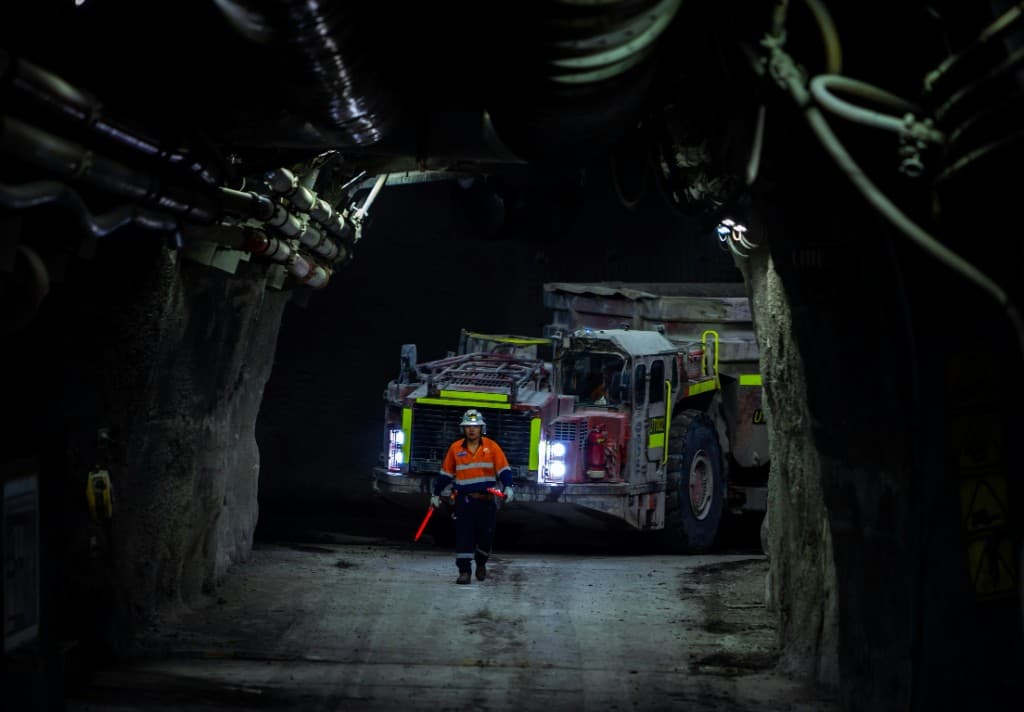
We're bringing what we've learned building for low-connectivity, high-adoption environments to underground mining.
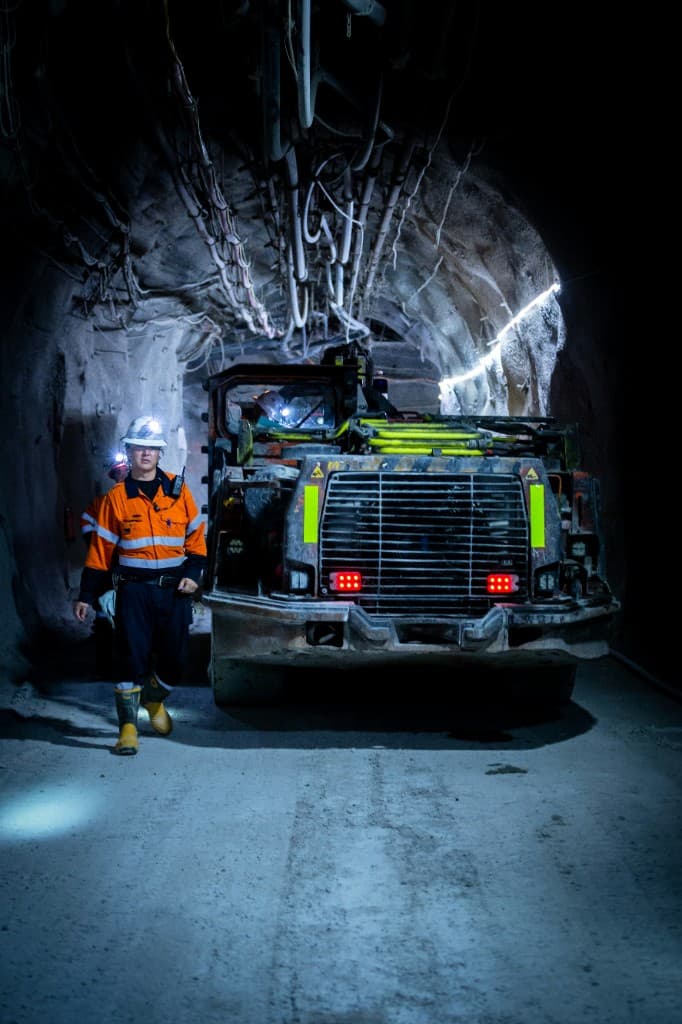
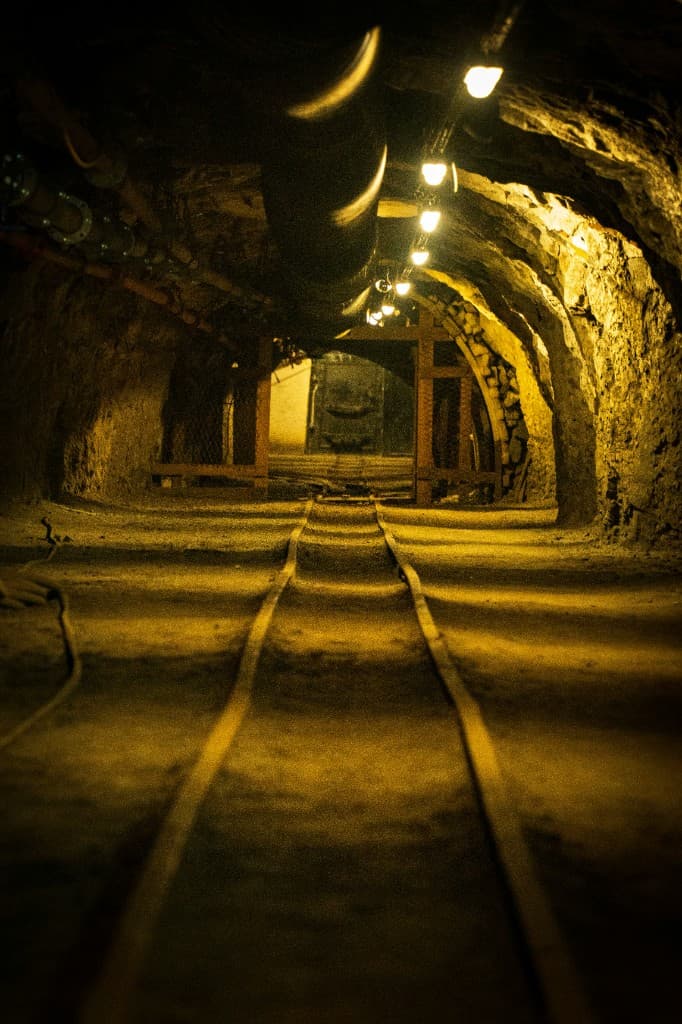
Telematics, shift reports, maintenance and production data in one place.
Production, fleet availability and use, cycle times and metres versus plan.
Progress tracked against the shift plan, with early alerts when crews or machines fall behind.
AI models on telematics and breakdown history, plus digital job cards.
Managers ask questions like 'Why did we miss tonnes on night shift?' and get answers from the mine's own data.
Production, MHSA and SLP reporting.
Number plate recognition and vehicle counting at the mine gate and decline portal, logging which vehicles and machines enter and leave and when.
Technology only works if the people on site use it, so we design for how teams actually work.
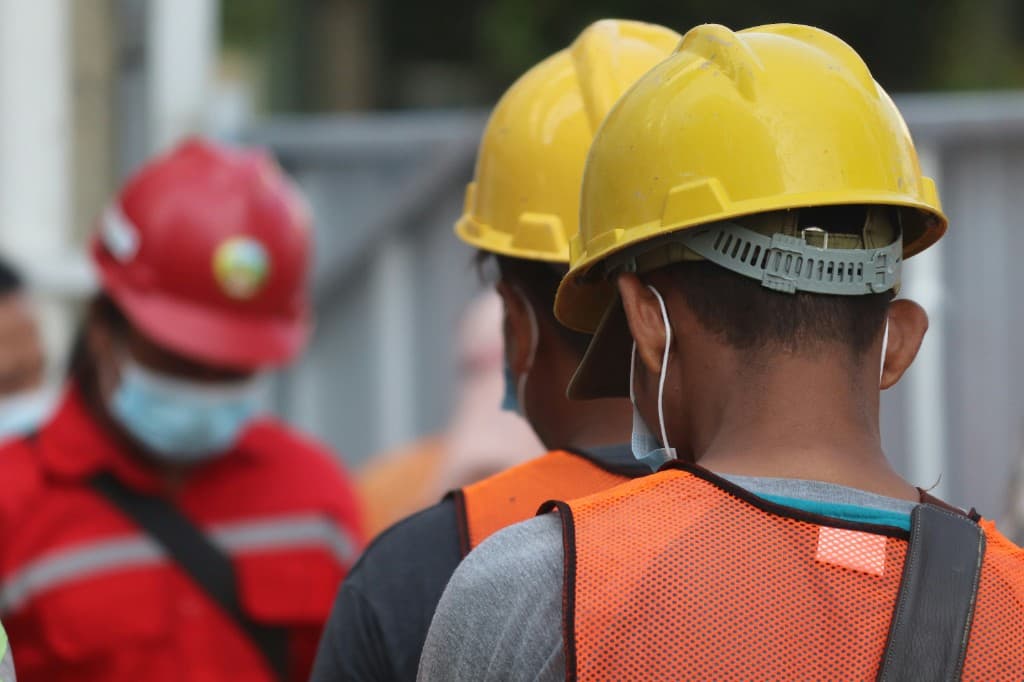
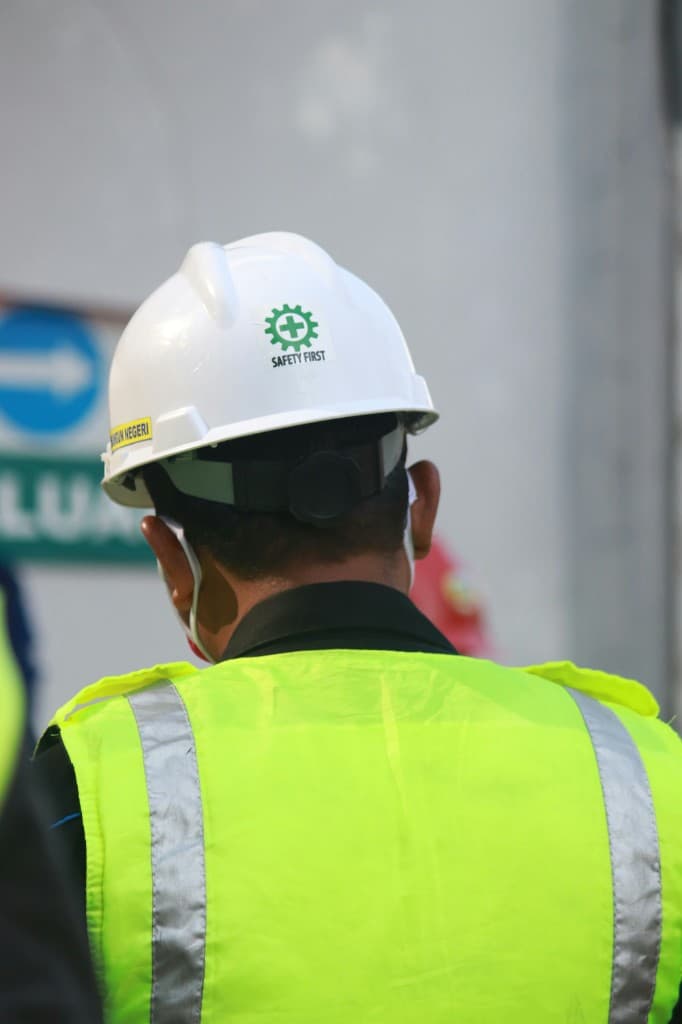
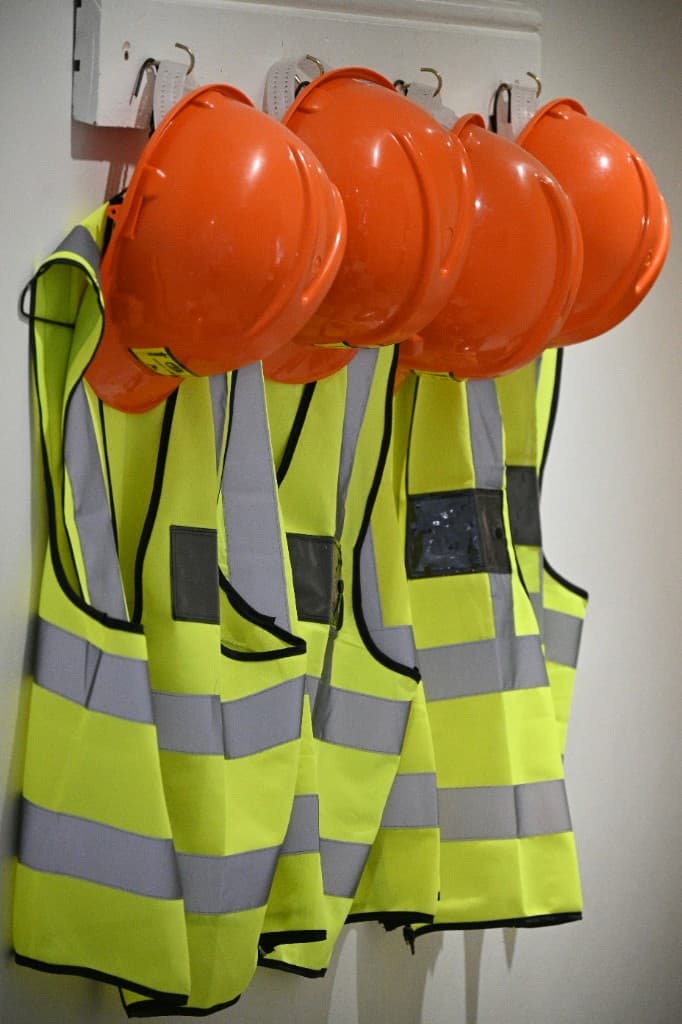
Shift instructions, safety alerts and production updates in English, Afrikaans and Setswana.
Photo or voice note of a breakdown or hazard; AI turns it into a job card or incident report.
Pre-use checklists, fault logging, service history.
Signed off digitally, attendance tracked automatically.
Short modules and recorded safety videos, ticked off once watched, with a short check.
Rosters, leave requests and notices on WhatsApp.
Phone-based tools are used at surface, in workshops and before and after shifts, in line with site rules. Underground reporting runs on approved offline tablets.
Offline-first apps, on-site edge server, and network design with your IT team.
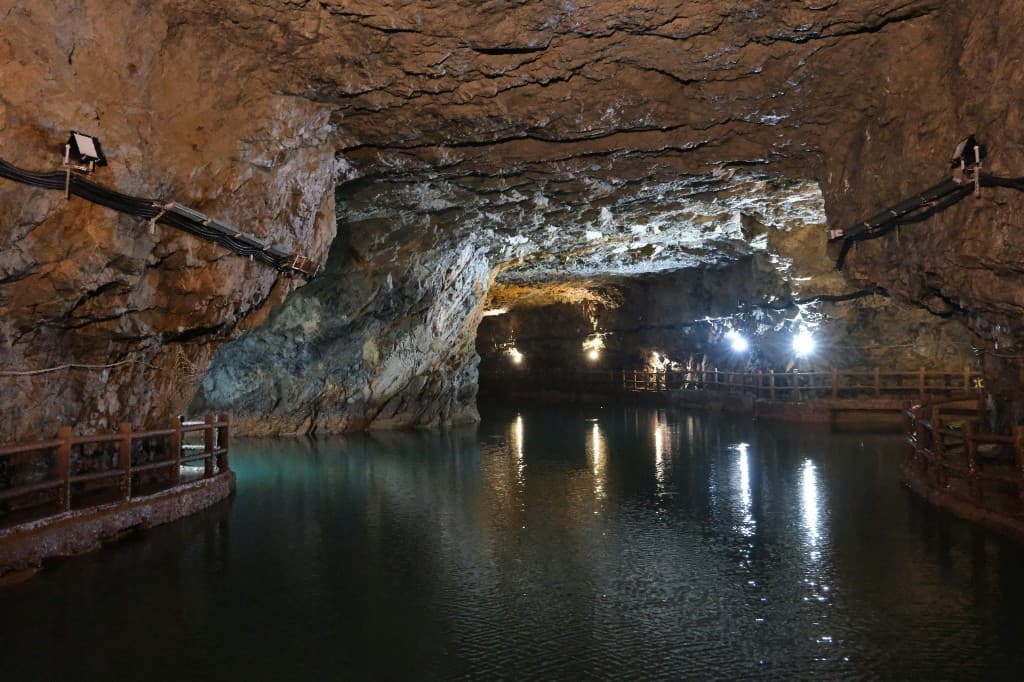
Apps work without signal and sync at surface or designated sync points.
Data captured underground syncs to an on-site server. The cloud is a copy, not a dependency.
We work with the mine's IT team to assess coverage and design the right solution: Wi-Fi mesh, private LTE/5G, leaky feeder, or hybrid.
Underground network installation and commissioning with certified infrastructure partners.
Collision avoidance (CAS), fatigue monitoring, personnel tracking, OEM telematics and networks come from certified providers. We bring their data into one platform.
| We build | We integrate |
|---|---|
| The software layer: one data platform, on-site sync, dashboards, checklists, onboarding and reports | Collision avoidance (CAS) |
| Workflows for control, supervisors and the workshop | Fatigue monitoring |
| Records the mine owns, with role-based access | Personnel tracking |
| Production, MHSA and SLP reporting from those records | OEM telematics and underground networks |
Each phase is a decision. The next one does not start unless you say so.
Start
01.
1–3 months
Walk the section, interview operators and planners, audit what you already collect, and write a baseline you can measure against.
Go / no-go gate
02.
4–12 months
One section. Supervisors use it on shift. If they do not, the programme stops here.
Go / no-go gate
03.
13–24 months
Take the same setup to further sections. No new promises, and another gate before each step.
Go / no-go gate
04.
25–36 months
Use the history you have built. Prediction only where the data is good enough to trust.
You can stop at any gate.